

Embracing the Future of Living Spaces / Part I
The world of interior design is ever-evolving, shaped by shifts in technology, culture, and our collective relationship to the spaces we inhabit. As we look ahead to 2026, a captivating new wave of design trends is emerging—one that seamlessly balances innovation with sustainability, comfort with aesthetic boldness, and individuality with global influence. In this comprehensive look at the interior design landscape for 2026, we’ll explore the key themes, materials, and ideas that are set to define the next chapter in how we live, work, and unwind.
1. Biophilic Design: Deepening Our Connection with Nature
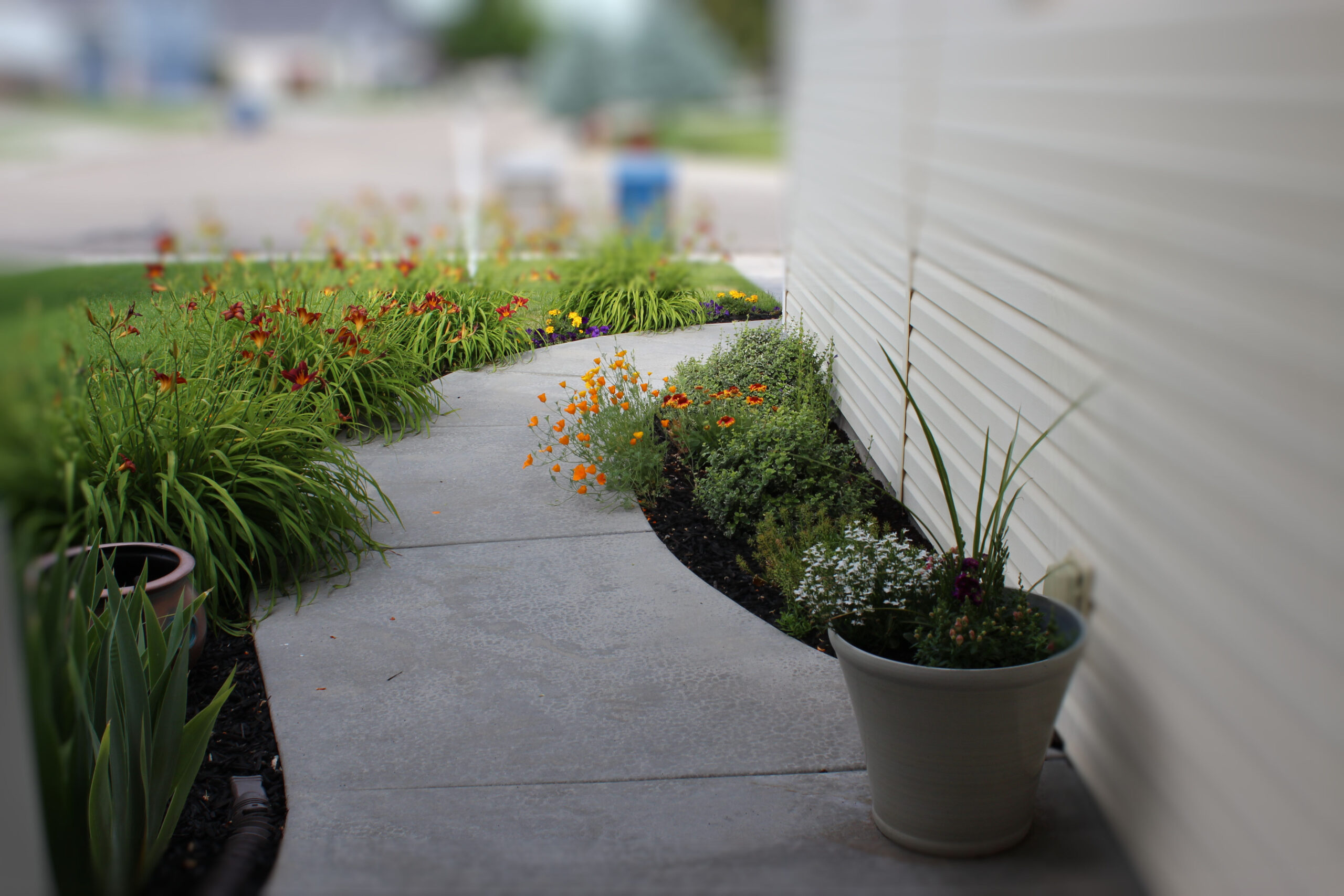
Biophilic design—creating spaces that foster a close connection with the natural world—has been gaining momentum for years, but 2026 promises an even deeper embrace of this philosophy. Expect to see more homes integrating living green walls, expansive indoor gardens, and innovative uses of natural light. Large, operable windows, skylights, and glass partitions will become more prevalent, blurring the boundaries between indoors and outdoors.
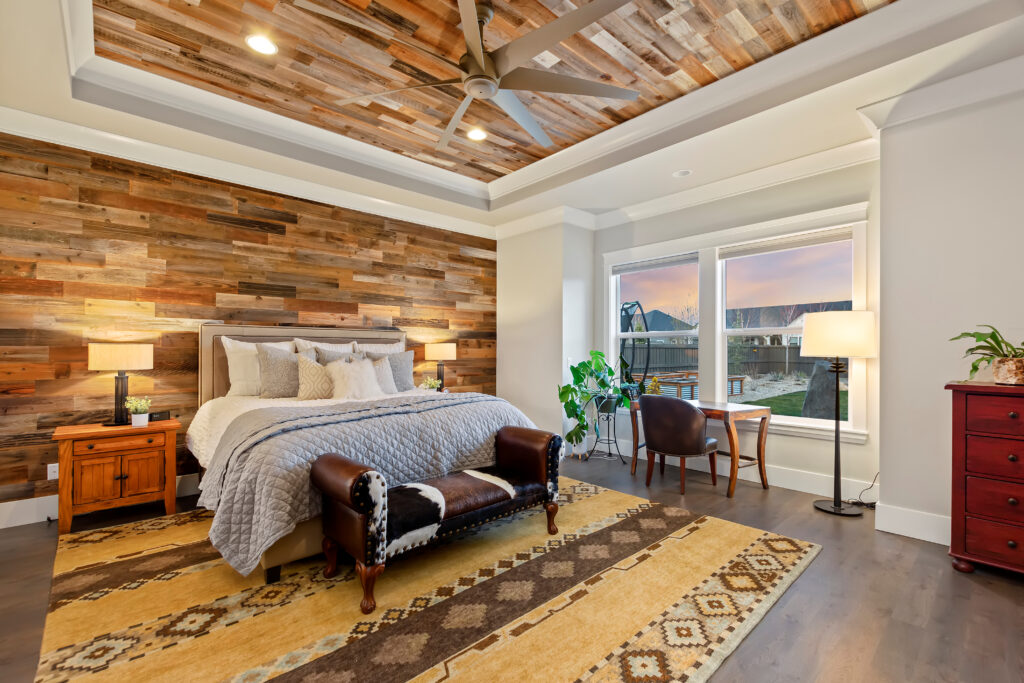
Beyond mere aesthetics, designers are focusing on the health benefits of biophilic elements, such as improved air quality, reduced stress, and overall well-being. Natural materials like stone, reclaimed wood, bamboo, and clay are increasingly being used for flooring, wall treatments, and even ceilings, creating sensory-rich environments that invite tranquility and mindfulness.
- Living plant installations and moss walls
- Natural textures and earthy palettes
- Water features and zen-inspired garden nooks
2. Tech-Integrated Living: Homes That Think and Feel
As smart home technology becomes more sophisticated and intuitive, 2026 will see it woven seamlessly into the fabric of interior design. The era of visible gadgets and clunky interfaces is giving way to invisible tech—think voice-activated lighting recessed into architectural details, climate control embedded in wall panels, and personalized soundscapes that adapt to your mood.
Smart materials are on the rise: countertops that self-sanitize, walls that change color with a gesture, and furniture embedded with wireless charging and touch-responsive controls. Sustainability remains at the heart of these innovations, with energy management, water conservation, and eco-friendly manufacturing driving the evolution.
- Invisible speakers and hidden charging stations
- Multi-functional smart furniture
- AI-powered home assistants with emotional intelligence
3. Maximalism Reimagined: Bold Colors and Artistic Expression
Minimalism’s reign is making room for a brave new maximalism—one that’s less about clutter and more about joyful self-expression. 2026 interiors are embracing vibrant color palettes, oversized art, and eclectic juxtapositions of texture and pattern. Wallpaper is back in a big way, appearing in daring prints and tactile finishes, while ceilings become canvases for unexpected creativity.
Yet, this new maximalism is curated, not chaotic. It’s about telling a story through objects, layering handmade pieces with vintage finds, and mixing high-contrast hues with playful elegance. The trend encourages homeowners to showcase their personalities, travels, and passions, creating spaces that are truly one-of-a-kind.
- Statement rugs and sculptural lighting
- Gallery walls with bold, mixed media
- Custom, artisanal furniture and decor
4. Warm Neutrals and Earth Tones: The Return of Comfort
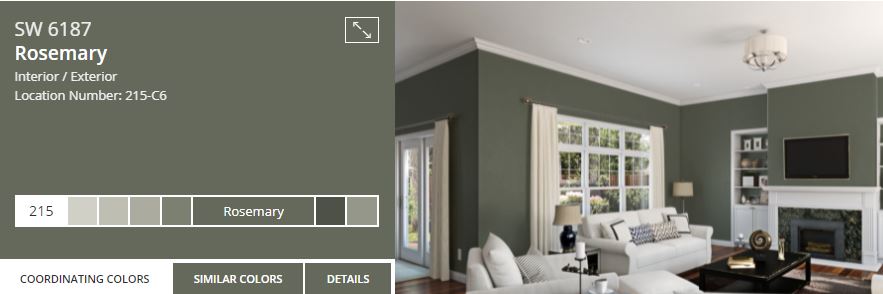
In contrast to the vibrancy of maximalism, another prominent trend for 2026 is the resurgence of warm neutrals and earthy hues. Soft taupes, muted terracottas, olive greens, and rich ochres are replacing cool grays and stark whites, creating interiors that feel inviting and grounded.
These colors are being used not only on walls but also in upholstery, drapery, and cabinetry, providing a versatile backdrop for layering textures and accent pieces. The emphasis is on comfort—think plush seating, tactile fabrics, and thoughtfully curated lighting. Layering natural fibers like linen, wool, and jute adds depth and warmth, making spaces that feel like a sanctuary from the outside world.
- Organic, rounded shapes everywhere—from sofas to lighting fixtures
- Curved, comfortable furniture silhouettes
- Layered natural textiles and artisanal ceramics